Identify the asset
Use a building, room, elevation or opening name that everyone can recognize in photographs, quotes and approvals.
See how the opening, materials and property use affect glazing assessment within fire-damage restoration projects.
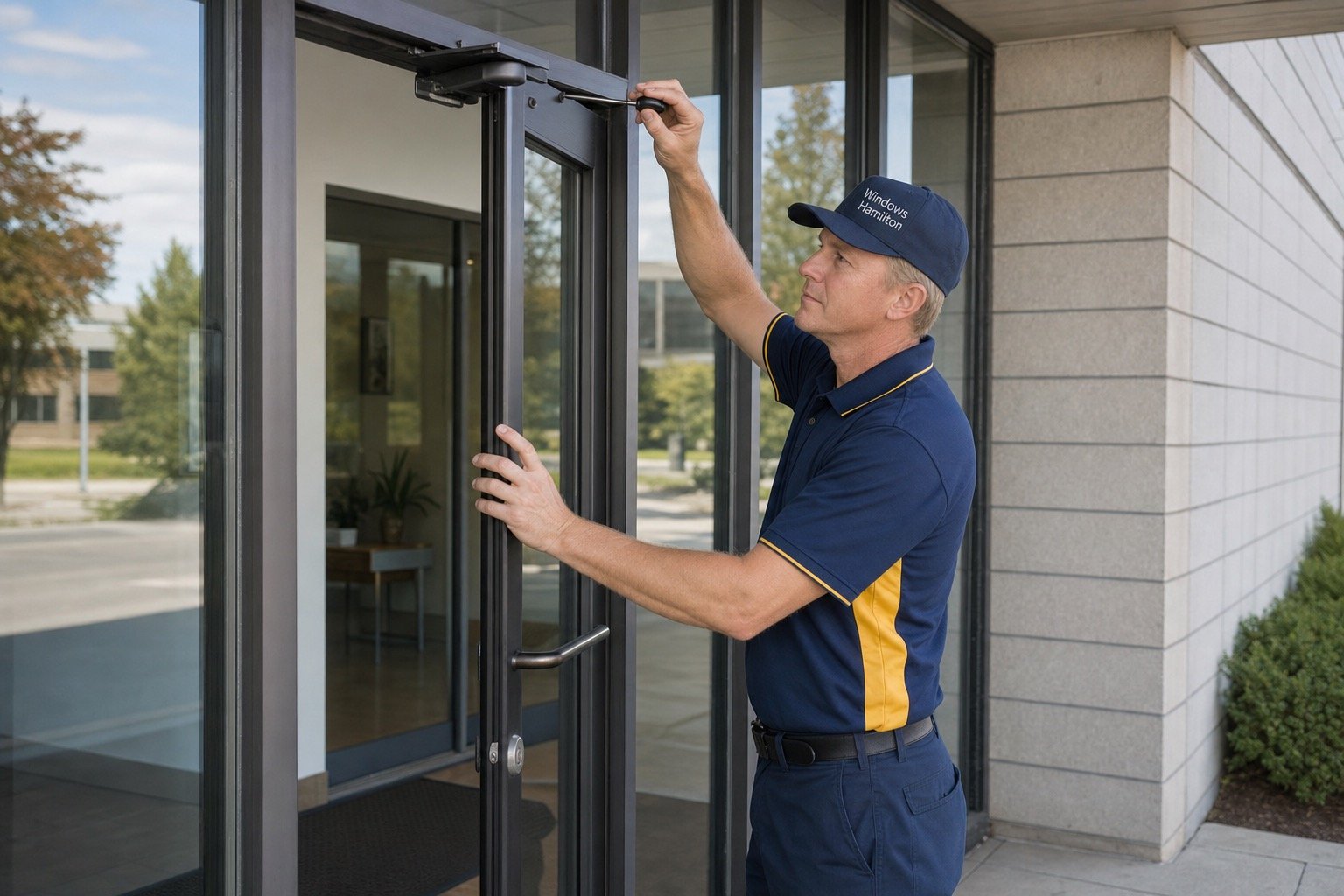
Glass Service for Fire Restoration requires more than an isolated panel description. The first review considers heat exposure, soot, water, frame distortion, adjacent finishes and temporary protection.
The practical schedule also depends on restoration managers, insurers, consultants, owners and rebuilding trades. Naming those relationships early helps the proposal reflect how the property makes decisions and how people move through it.
visible glass damage is only one part of determining whether the surrounding opening can be retained
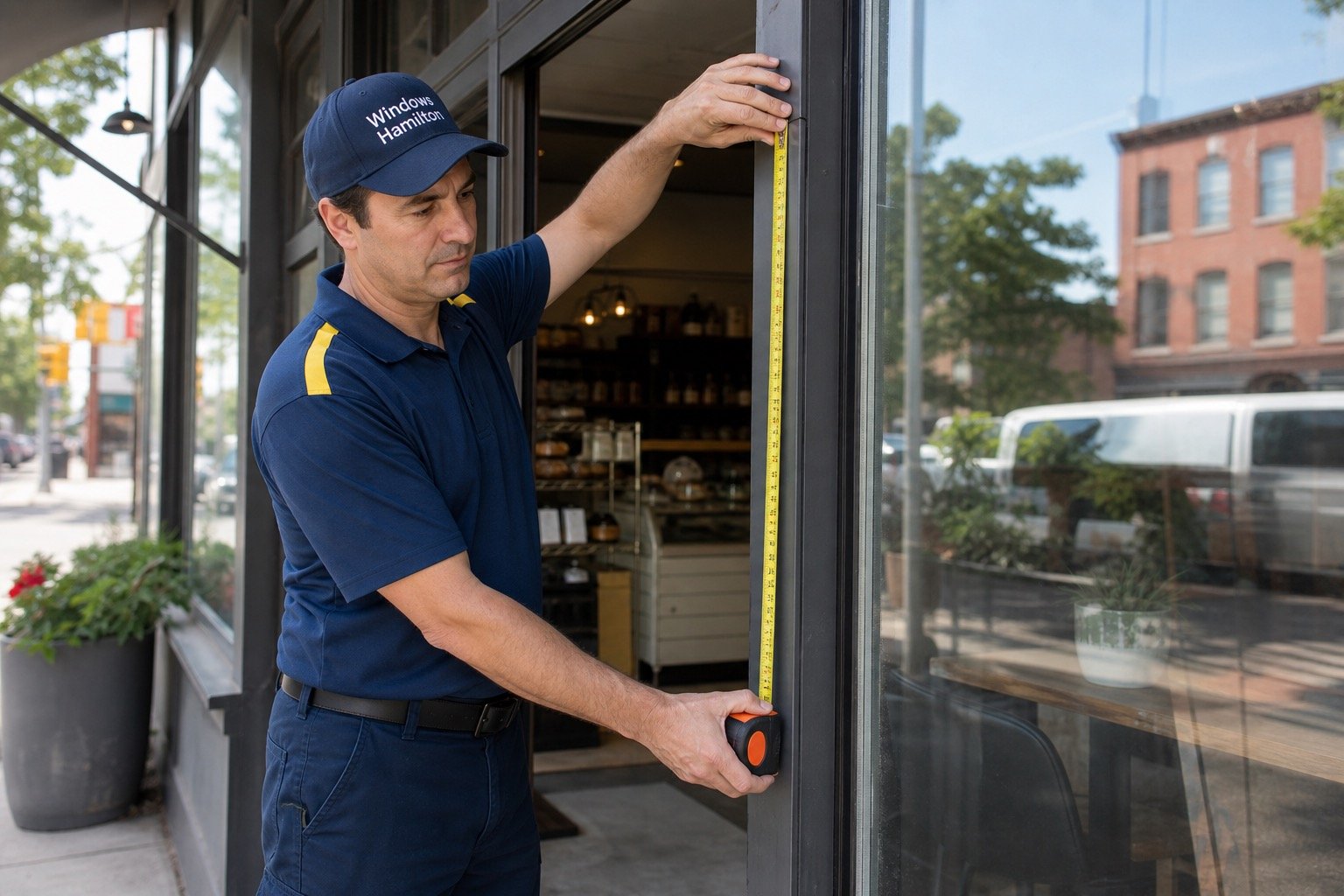
A short written brief keeps site conditions, approvals and business impacts connected.
Use a building, room, elevation or opening name that everyone can recognize in photographs, quotes and approvals.
Describe whether the concern affects security, privacy, weather, circulation, appearance or scheduled activity.
Clarify who manages restoration managers, insurers, consultants, owners and rebuilding trades and who can approve access, scope and timing.
A broader program can align surveys, samples, procurement, access and installation across the affected property.
Make-safe work or temporary protection can address an immediate condition while permanent materials and dimensions are confirmed.
Use a contact who can identify the property and opening, explain the operational impact, arrange access and confirm the approval path.
Use consistent asset names, wide and close photographs, approximate dimensions and condition notes while preserving the differences at each location.
Immediate protection addresses current risk. Permanent repair, specification changes and portfolio improvement require their own measurements and approvals.
It should name the opening, material, access, protection, installation work, equipment, assumptions, exclusions and prerequisites in practical language.
Send the property contact, opening location, photographs, timing and reason for the request. Include any internal asset number or work-order reference.
Field review adds measurements and condition notes while the project contact confirms restoration managers, insurers, consultants, owners and rebuilding trades.
The accepted scope should distinguish urgent protection, permanent replacement and later improvement so records remain useful after the work is complete.
A proposal becomes easier to compare when it states how restoration managers, insurers, consultants, owners and rebuilding trades influence the work. Those facts may change protection, sequencing, equipment, approvals or the point at which dimensions can responsibly be treated as final.
The service plan should not assume that every visible symptom belongs to the glass. For Glass Service for Fire Restoration, retained frames, supports, finishes and neighbouring construction still need enough stability and compatibility to make the recommended scope worthwhile.
Hamilton-area work also has to fit real property use. Occupied rooms, public circulation, seasonal exposure and the availability of a responsible site contact can affect when Glass Service for Fire Restoration is assessed, measured and installed even when the material itself is straightforward.
Describe the work, identify the property contact and attach wide and close photos. Include approximate sizes and relevant project documents. We will review the request and confirm any additional measurements or site information needed for a quote.
Call Windows Hamilton: 289-975-4020.
Windows Hamilton ©2026 — Windows, doors, installation and repair for Hamilton-area homes.
Choose residential or commercial, then provide the few details we need to understand the request.