State the final use
Describe where people will encounter the glass and whether it forms a window, divider, door, feature or sealed unit.
See how the opening, materials and property use affect acid-etched surfaces within commercial glass specifications.
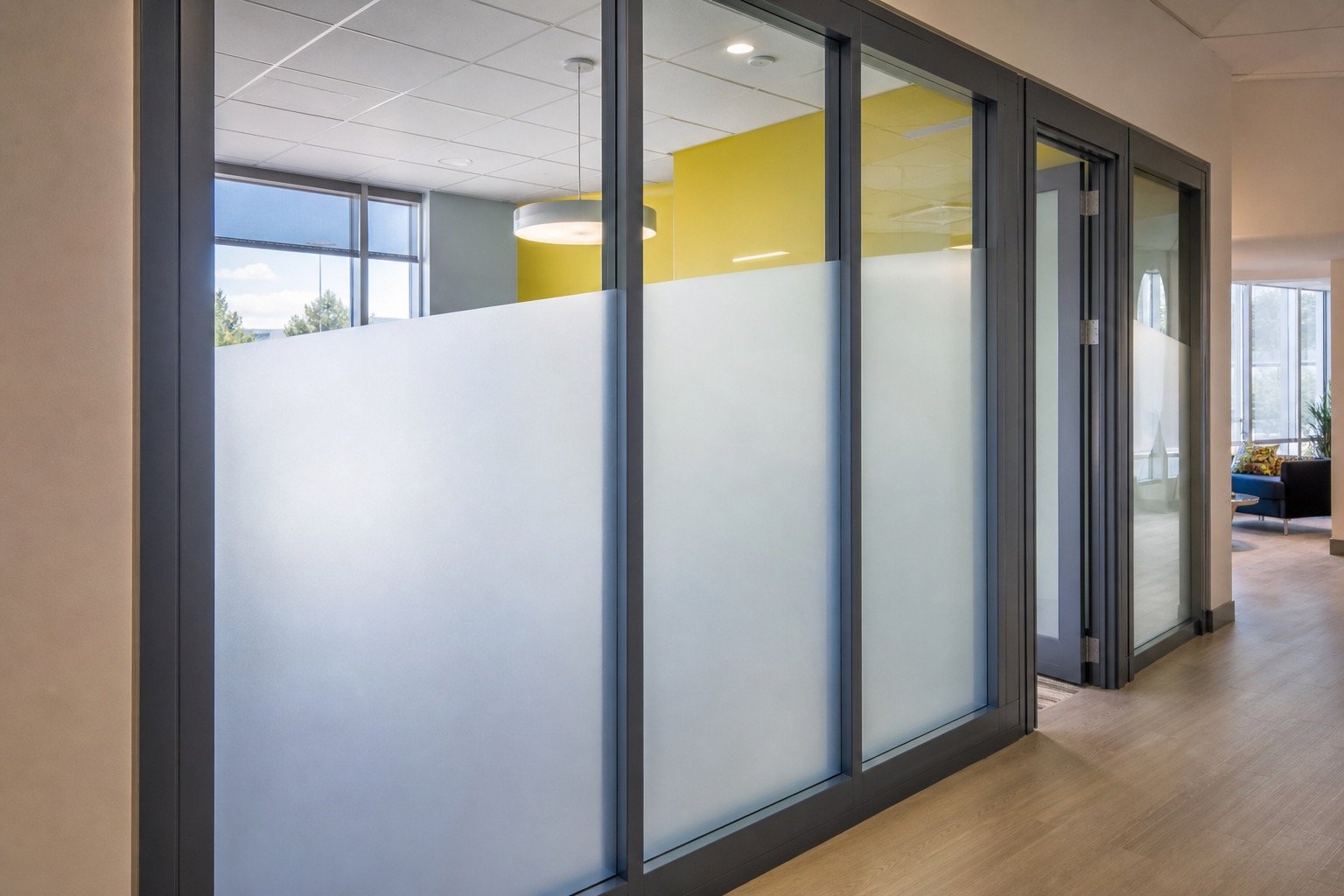
Acid-Etched Glass Specification should be selected from the demands of the application. Important evidence includes surface orientation, opacity, colour, handling, edgework, cleaning and visual uniformity.
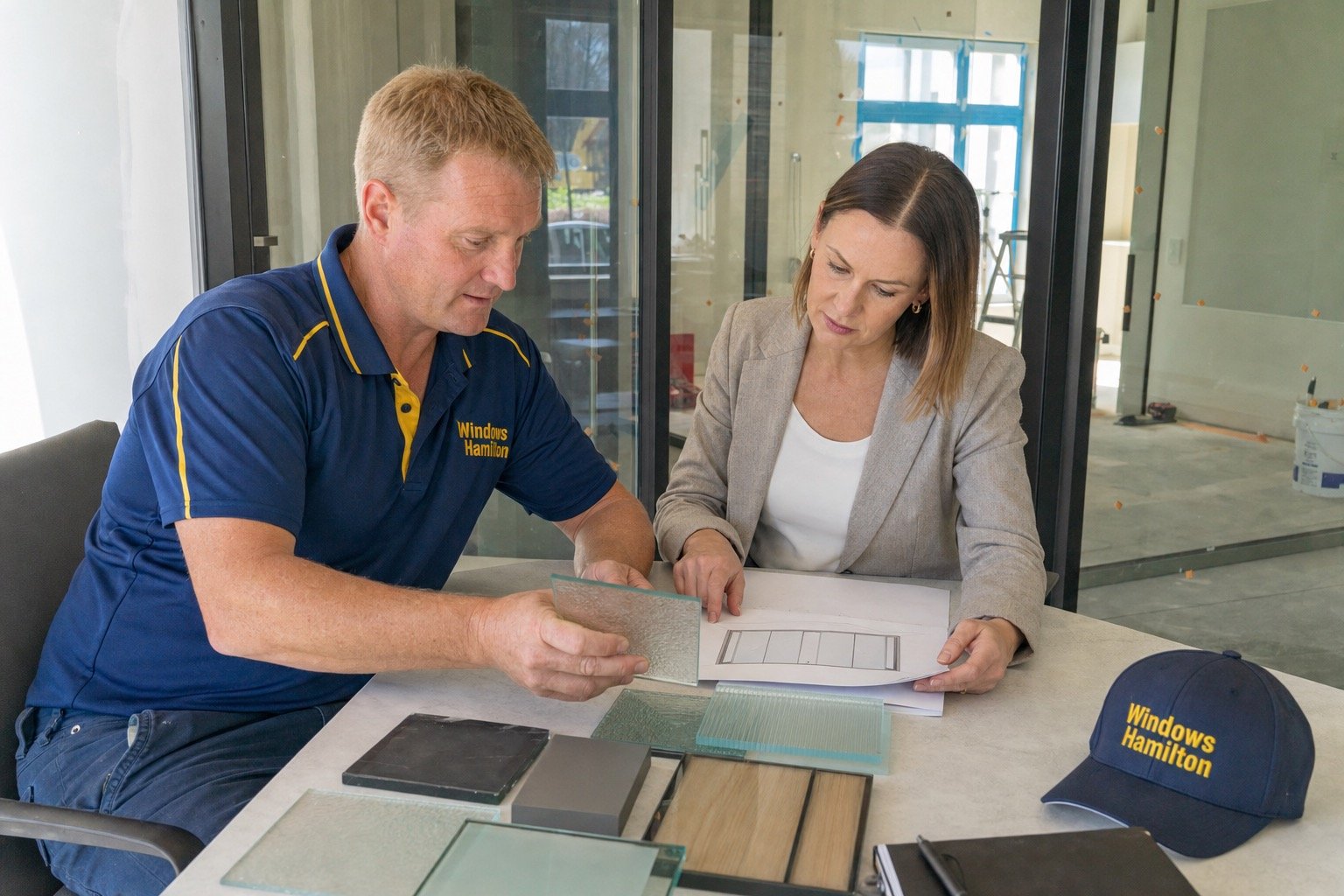
Fabrication and installation also depend on samples, shop drawings, fabricators, installers and maintenance teams. A product label without those conditions can lead to the wrong thickness, processing, finish or edge detail.
surface treatment should be approved before fabrication because field changes cannot recreate the factory finish
The same material can perform differently when size, support, environment or processing changes.
Describe where people will encounter the glass and whether it forms a window, divider, door, feature or sealed unit.
Record surface orientation, opacity, colour, handling, edgework, cleaning and visual uniformity. Drawings and templates should identify which dimensions are final and who owns them.
Consider samples, shop drawings, fabricators, installers and maintenance teams, visible edges, lighting, samples and the maintenance routine before approval.
Samples, calculations, specialist input or revised details may be necessary before a responsible fabrication order is possible.
A measured replacement can follow established glass, processing and support details when the retained system remains suitable.
No. Thickness, dimensions, processing, support, edgework, safety needs, appearance and final use can all change the required makeup.
The review connects surface orientation, opacity, colour, handling, edgework, cleaning and visual uniformity with samples, shop drawings, fabricators, installers and maintenance teams. Final recommendations follow the verified opening and documented responsibility path rather than the page title alone.
Samples help assess colour, texture, opacity and reflections, but lighting, panel size and neighbouring materials can still change the finished appearance.
Only approved fabrication dimensions from the responsible field measurement, template or drawing should control a custom order.
Heat-treated and many specialty products cannot be safely cut or drilled after fabrication, so holes, notches and edge details must be resolved first.
Begin with the application, approximate dimensions and available drawings, labels or samples. Note which edges remain visible and which surfaces are exposed.
The review connects the proposed makeup with samples, shop drawings, fabricators, installers and maintenance teams and the practical limits of fabrication, transport and installation.
Final dimensions, processing, tolerances and installation responsibility are approved before custom glass enters production.
The project handoff should connect samples, shop drawings, fabricators, installers and maintenance teams. When those responsibilities are named in the first brief, Windows Hamilton can explain what needs field verification, what can be based on supplied documents and which conditions must be completed by another party before measurement or installation.
The controlling decision for this page is practical: surface treatment should be approved before fabrication because field changes cannot recreate the factory finish Recording that decision alongside photographs and dimensions gives owners, contractors and property contacts a common reference if the opening changes or new conditions are discovered.
Describe the work, identify the property contact and attach wide and close photos. Include approximate sizes and relevant project documents. We will review the request and confirm any additional measurements or site information needed for a quote.
Call Windows Hamilton: 289-975-4020.
Windows Hamilton ©2026 — Windows, doors, installation and repair for Hamilton-area homes.
Choose residential or commercial, then provide the few details we need to understand the request.