
The hinge direction changes the airflow
A casement sash can open wide and catch a breeze, directing air into the room. The opening direction should suit prevailing wind, nearby walls and the location of the handle and lock.
An awning window opens along its lower edge. It can provide ventilation during light rain when conditions are suitable, although wind-driven rain can still enter and the sash needs exterior clearance.
Casement movement
Side-hinged and opening outward, usually suited to taller proportions and directed airflow.
Awning movement
Top-hinged and projecting outward at the bottom, often suited to shorter openings.
Exterior clearance
Both styles need unobstructed space outside for the sash to travel safely.
Interior reach
Crank and lock positions must remain comfortable above counters, tubs or deep sills.
Match the style to the opening
Casements often suit taller openings and can preserve a clear view without a horizontal meeting rail. Awnings naturally fit shorter, wider openings and are often considered for bathrooms, basements or combinations with fixed glass.
Neither style should project into a busy walkway, deck path or planting area. Interior reach matters too, especially above counters, tubs or deep trim where a crank may be difficult to operate.
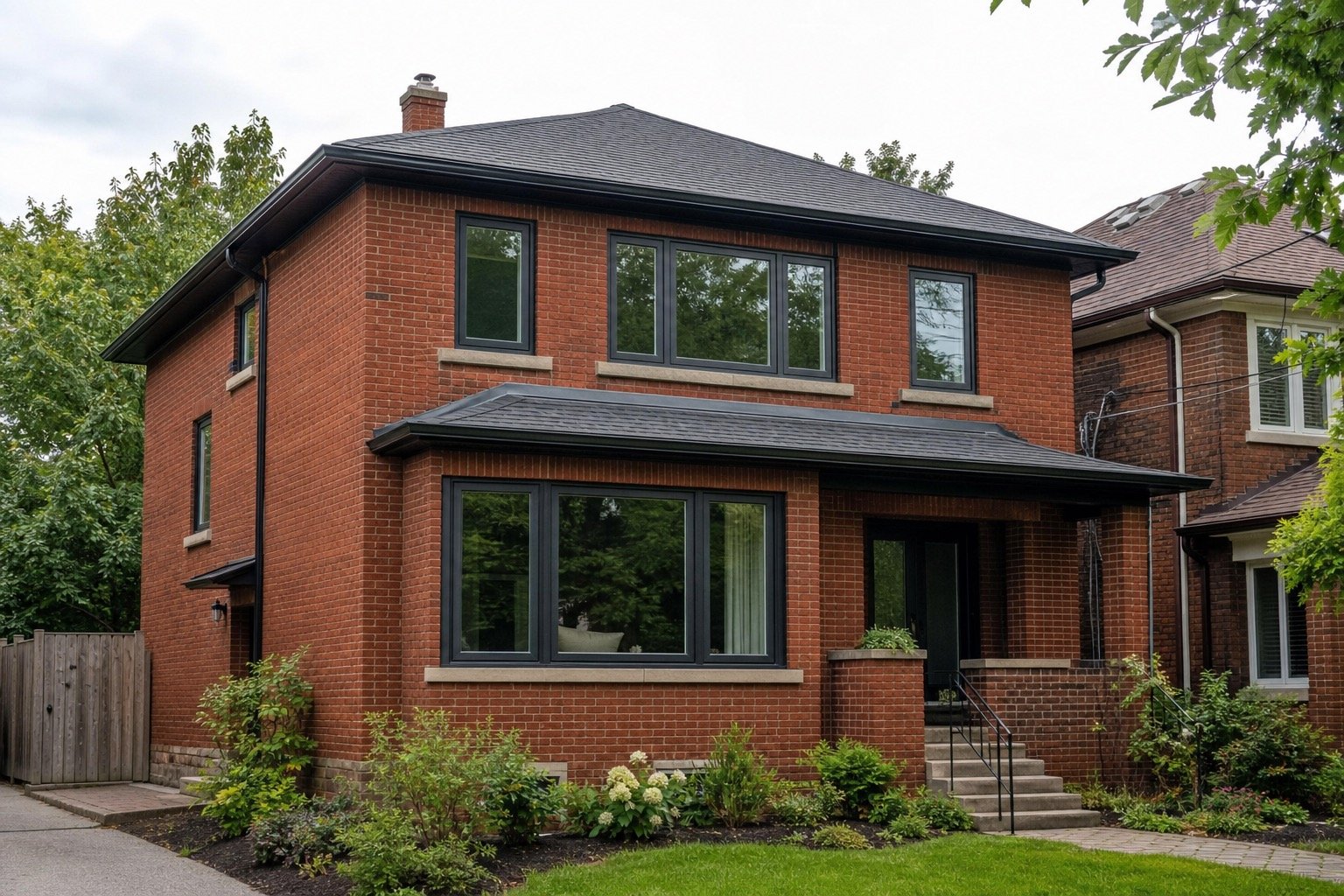
Compare the complete window, not just the name
Hardware quality, sash size, reinforcement, screens and installation all affect daily use. Large operating sashes can be heavy, and the surrounding opening must support the unit squarely.
If ventilation is the priority, identify where air should enter and how the room is used. The best answer may be one operable section combined with fixed glass instead of making every pane open.
Questions worth answering before you choose
- Is the opening tall or wide?
- Could an open sash conflict with a path or deck?
- Where should fresh air enter the room?
- Can the handle and locks be reached easily?
