Measure the finished condition
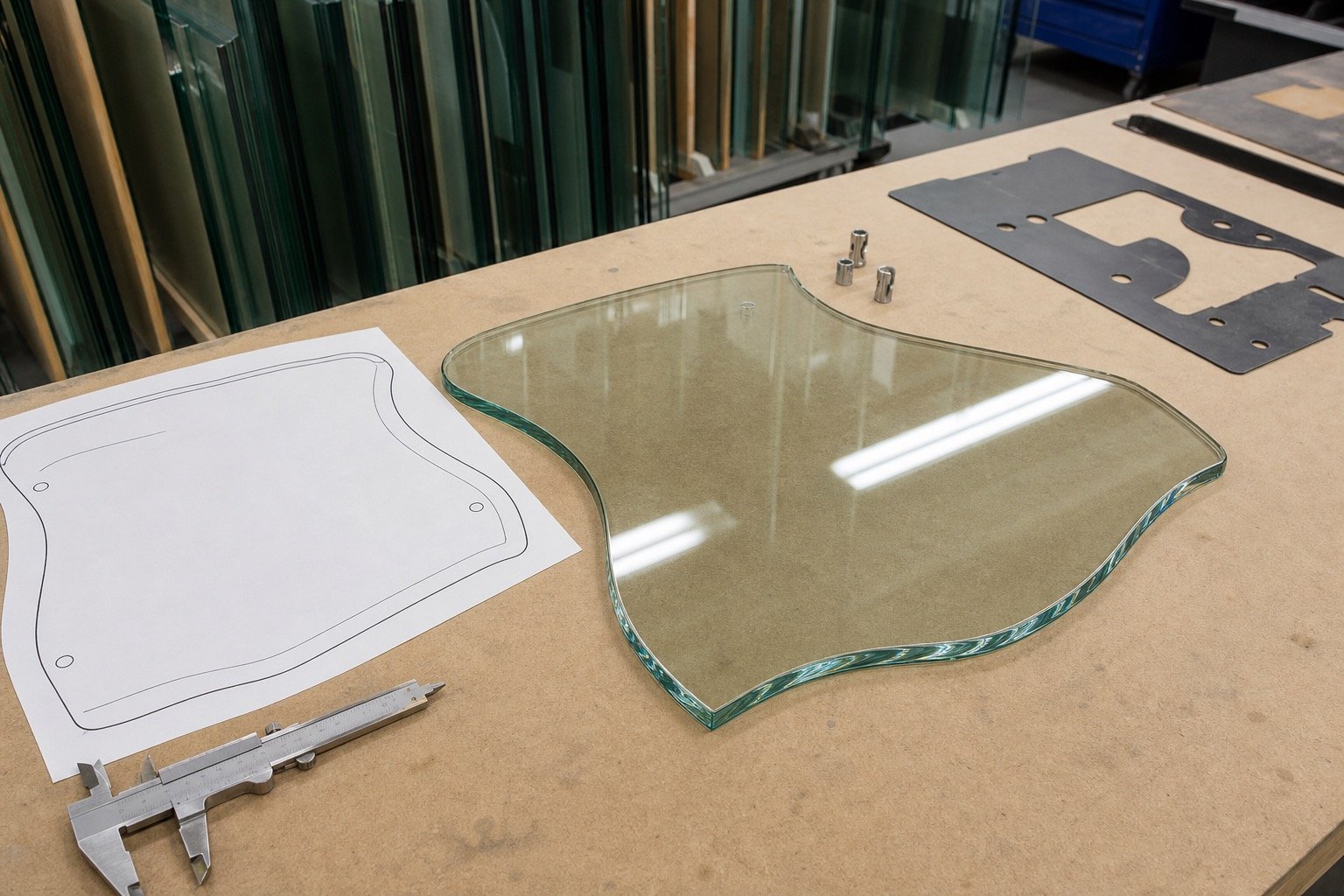
Walls, floors and openings are rarely perfectly square. Record multiple dimensions, angles and clearances, and use templates where curves or irregular shapes matter.
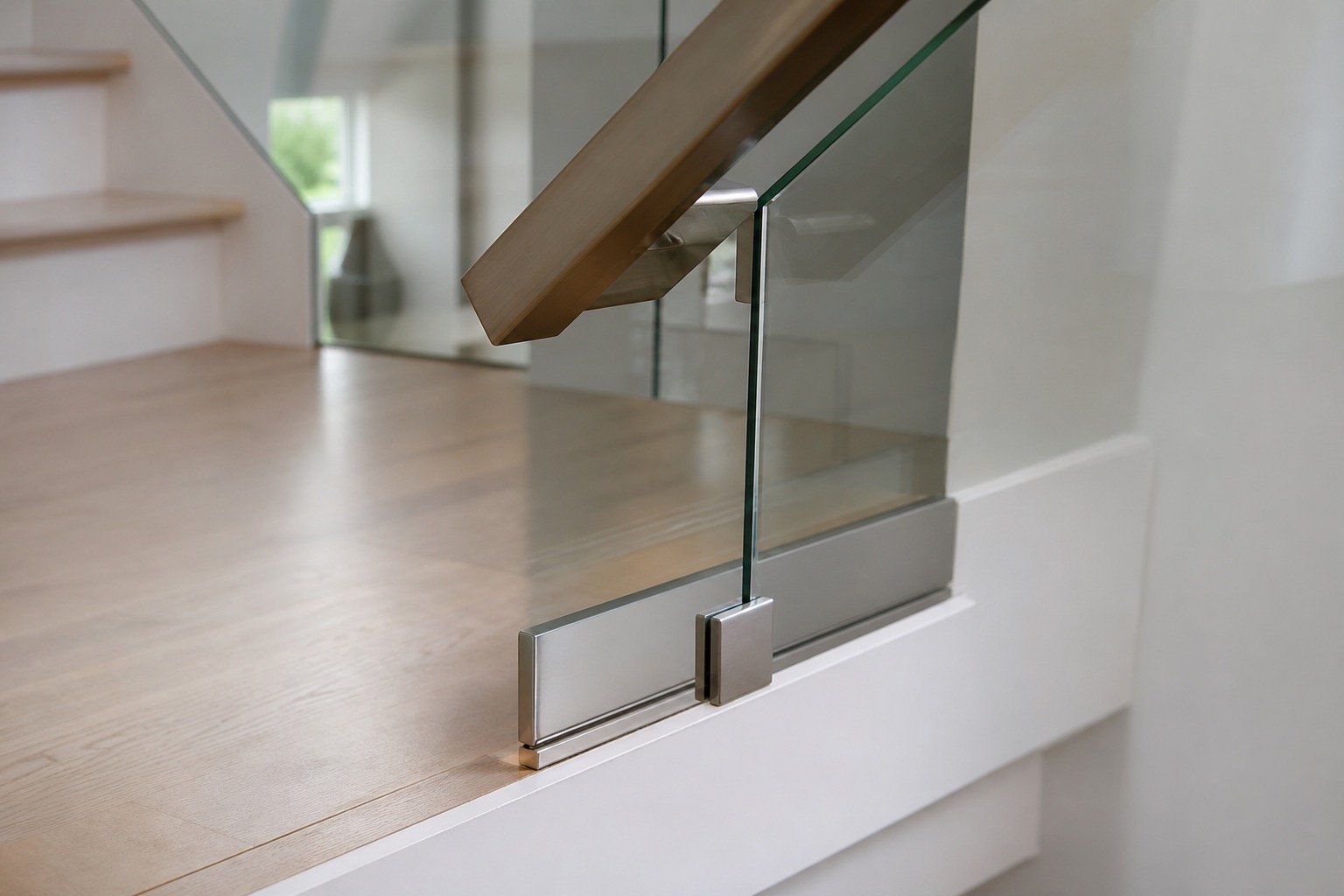
Identify which edges will be exposed, captured or hidden in hardware. Installation clearances should be deliberate rather than improvised after fabrication.
Site dimensions
Multiple measurements and templates capture out-of-square or shaped conditions.
Glass selection
Type and thickness follow the application, support and safety requirements.
Edgework and holes
Machining details must be finalized before heat treatment or lamination.
Installation planning
Access, hardware and clearances determine whether the finished panel can be set safely.
Specify the glass before machining
Annealed, tempered, laminated, low-iron, patterned and other glass types serve different applications. Thickness relates to size, support and intended use.
Polished edges, bevels, holes, notches and cut-outs need exact dimensions. Safety-glass processing can make later alteration impossible.
Coordinate handling and installation
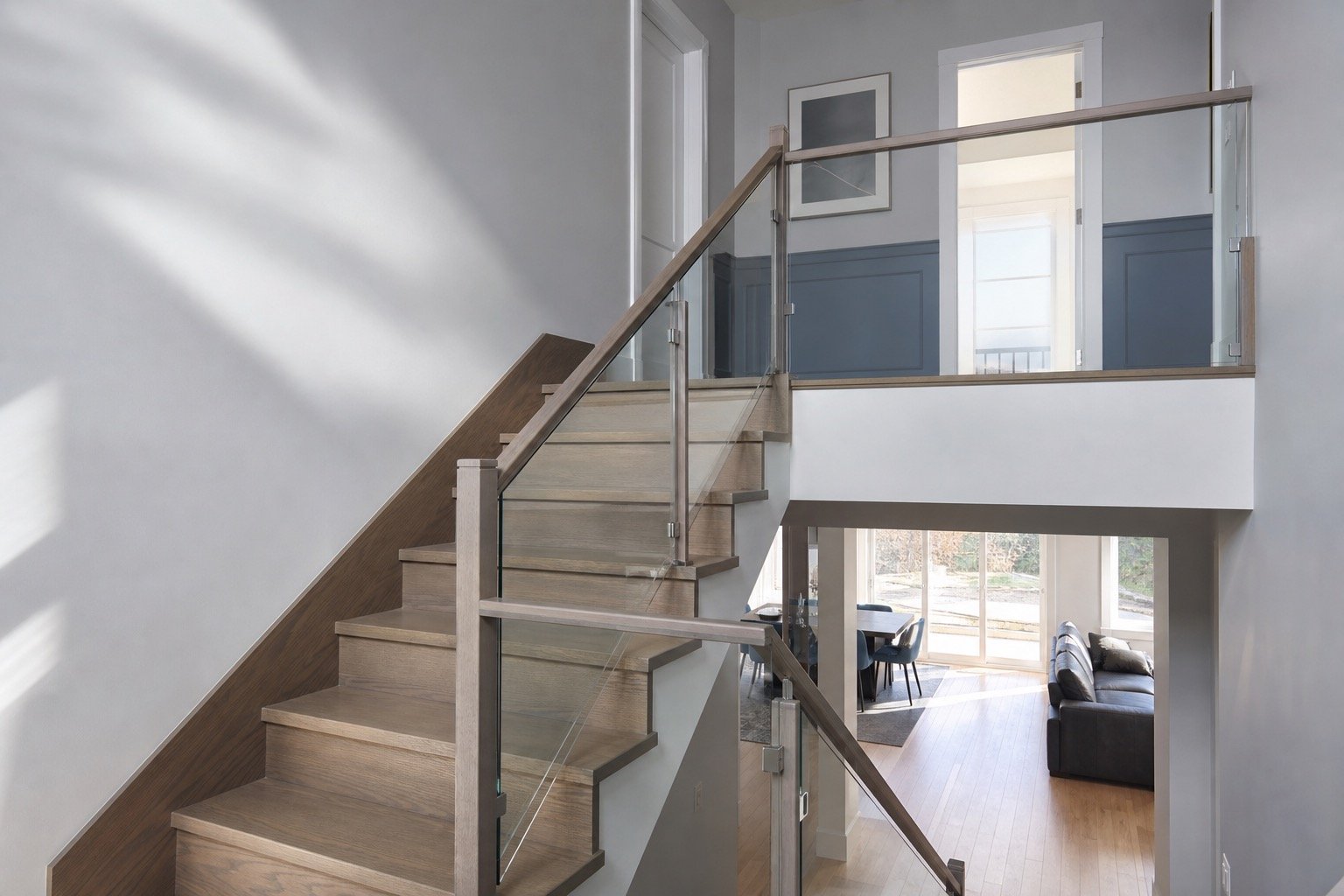
Large or shaped panels need safe access, storage and lifting plans. Hardware should be available and verified so fabricated openings match the components.
Final inspection should review edges, surfaces, fit and support without forcing the glass. Field modification is not a substitute for correct fabrication data.
Define these conditions before fabrication
- What is the glass expected to do?
- Which edges remain exposed?
- Are holes, notches or templates required?
- Can the panel be carried and installed through the available access?